

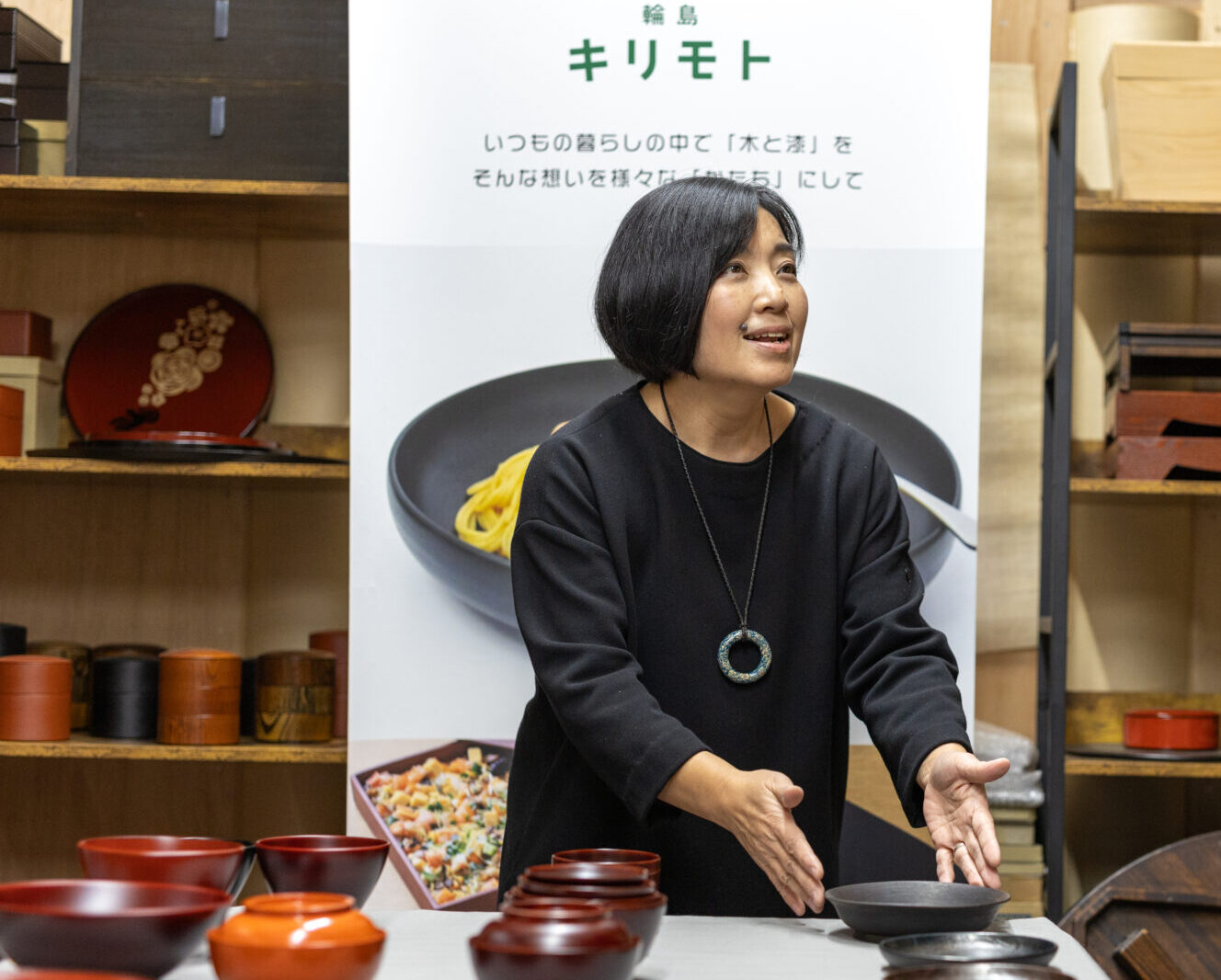
The Power of Wajima Lacquerware to Enrich Daily Life: The Future Envisioned by Wajima Kirimoto
桐本 順子
Junko Kirimoto

Wajima [Ishikawa]
Junko Kirimoto
Originally from Osaka Prefecture. After living in the city, she moved to Wajima City, Ishikawa Prefecture, upon marriage. At Wajima Kirimoto, she manages the overall operations of the workshop while actively working to promote the appeal of lacquerware. In her daily work, she is responsible for accounting and general affairs, while also exploring ideas to increase awareness of the excellence of Wajima lacquerware.
Wajima Kirimoto, a workshop based in Wajima City, Ishikawa Prefecture, has been preserving the 200-year-old tradition of Wajima lacquerware while creating new value. Their works attract many people both domestically and internationally, carrying the heartfelt mission of "enriching people’s lives through the power of lacquerware." Led by designer Taiichi Kirimoto and Junko Kirimoto, who supports the workshop, they continue to take on new challenges while overcoming trials such as earthquakes and floods.
History and Background of Transformation
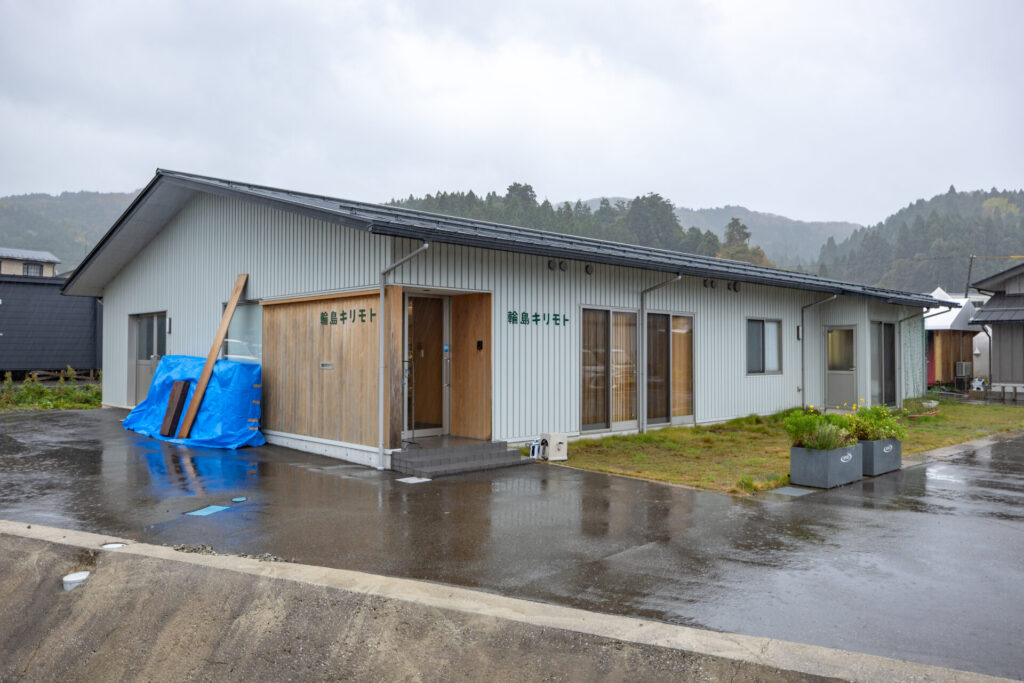
Wajima City in Ishikawa Prefecture is located in the northern part of the Noto Peninsula, about a two-hour drive from Kanazawa Station. Facing the Sea of Japan, it is a town of approximately 18,000 people where rich natural surroundings and cultural heritage coexist in harmony.
Since the Edo period (1603–1868), Wajima-lacquerware has developed into one of Japan’s most renowned traditional crafts and remains a defining industry of the region. In addition to lacquerware production, fishing and tourism also support the local economy. The area boasts dramatic coastlines shaped by the rough waves of the Sea of Japan, as well as beautiful terraced rice fields cascading down hillsides. At the same time, however, the city faces pressing challenges such as an aging population and population decline. The preservation of Wajima-lacquerware and the promotion of tourism that leverages local resources have become increasingly important themes for the community.
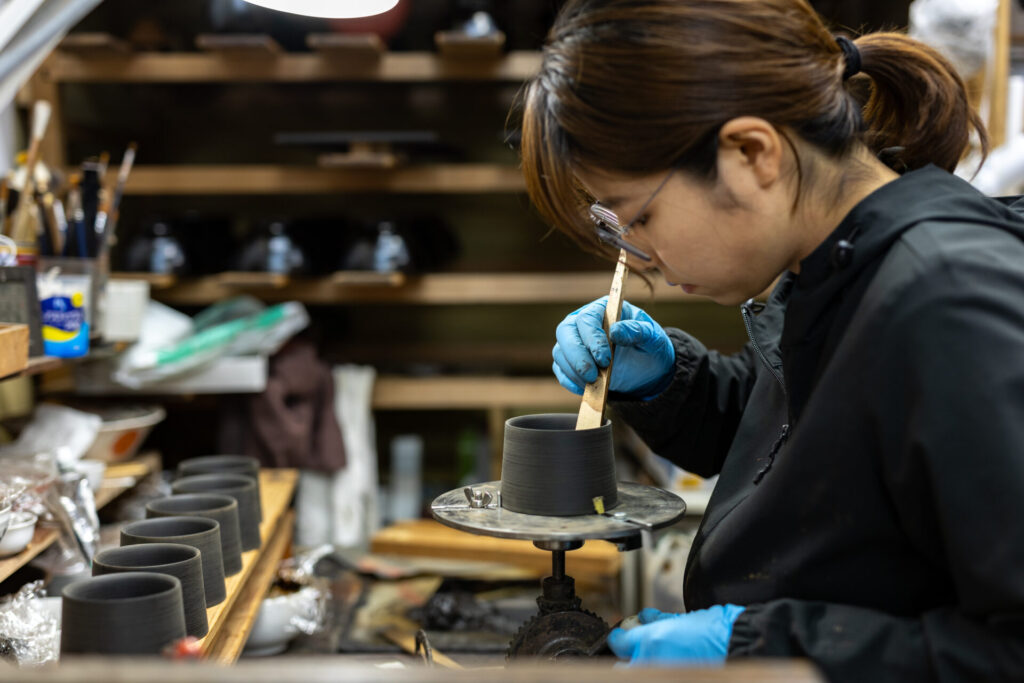
Wajima-lacquerware is a traditional craft with a history spanning more than 600 years and stands as Wajima’s representative industry. Among the workshops engaged in this craft, Wajima Kirimoto has carved out a unique path. While continuing to honor its role as a kijiya—a specialist in crafting the wooden bases that form the foundation of lacquerware within the traditionally divided production system—the workshop pioneered an integrated production model.
“A kijiya’s job is typically to produce forms according to orders,” the representative explains. “However, Taichi Kirimoto, our head, is also a product designer and wanted to propose designs from the very beginning of the process. By creating new forms suited to contemporary lifestyles, he hoped to expand the possibilities of Wajima-lacquerware.”
This transformation coincided with the broader struggles of the industry following the collapse of Japan’s economic bubble in the early 1990s. Demand for Wajima-lacquerware declined sharply, and by 2024 production value had shrunk to roughly one-tenth of its peak.
“I believe it would have been difficult to survive without taking on the challenge of integrated production. In the end, that decision became the path that allowed our workshop to endure,” she reflects.
Challenges Brought by Natural Disasters
The earthquake and floods of 2024 posed a great challenge for Wajima Kirimoto. Although the workshop miraculously escaped damage, their home was completely destroyed, significantly affecting their daily life.
“It was truly fortunate that our workshop remained intact. From the outside, everything might look normal, but since our house was completely destroyed, we are currently living in the workshop. We don’t even have a bath, and the water supply is unstable,” she shares, revealing the unseen hardships they face.
“All the staff at the lacquerware association were also affected by the disaster, so we are unable to operate as usual. However, for Wajima lacquerware as a whole to survive, we need to explore new ways by utilizing our community connections.” Despite the dire circumstances, Junko remains focused on the broader recovery of the region.
Crafting for a Comfortable Life
Wajima Kirimoto’s products are created with a philosophy centered on “making life comfortable for the user.”
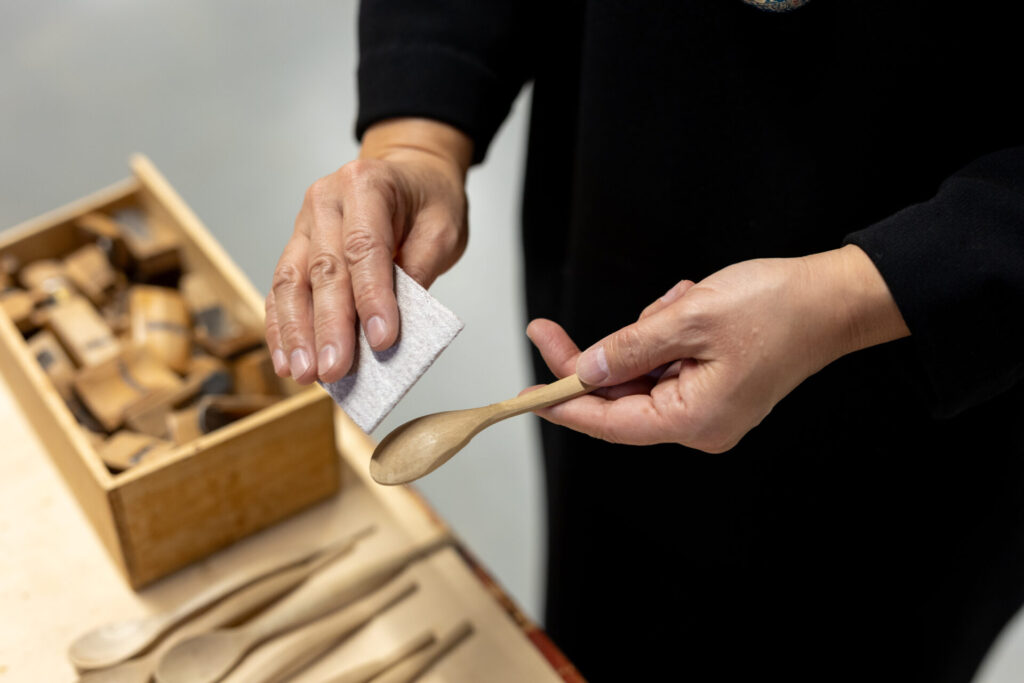
“Our leader values direct interaction with customers in the store. When he hears concerns like ‘Metal spoons can’t be used’ or ‘I want a design suitable for daily use,’ he works on developing unique techniques. As a result, we created lacquerware that accommodates spoons and forks,” she explains.
By carefully listening to users, Wajima Kirimoto has evolved its products, maintaining tradition while adapting to modern lifestyles. This approach has captivated many people.
“The moisture content of lacquer is similar to human skin, giving it a comforting touch, almost like a handshake. The texture of the vessels enhances daily life in a subtle but profound way.”
Additionally, lacquerware proved useful even in the aftermath of the disaster.
“After the earthquake, even when there was no running water, we were able to rely on lacquerware. Lacquer has natural antibacterial properties, so it made me realize once again that it is a material you can truly trust, even in times like these.”
Global Recognition and Expanding Potential
Wajima Kirimoto’s products are highly valued internationally. Many foreign customers express fascination upon experiencing the lacquerware firsthand.
“Overseas customers have great respect for traditional Japanese crafts. Many are amazed by lacquerware, a material they have never seen before. They are particularly intrigued by its heat-resistant properties and smooth texture,” Junko notes.
While some purchase online, many prefer to visit the workshop in person before buying. Junko is impressed by their dedication to understanding the value behind lacquerware.
“When we explain why our products are priced the way they are, they appreciate the craftsmanship involved. Many people are genuinely interested in the value of Japanese artisanal goods.”
Although the number of international visitors has declined since the pandemic, Junko remains optimistic about global expansion.
“We are gradually preparing explanations and services in English. While this year may still be challenging, we hope to strengthen overseas sales and promotions in the future.”
The Connections Fostered by Lacquerware
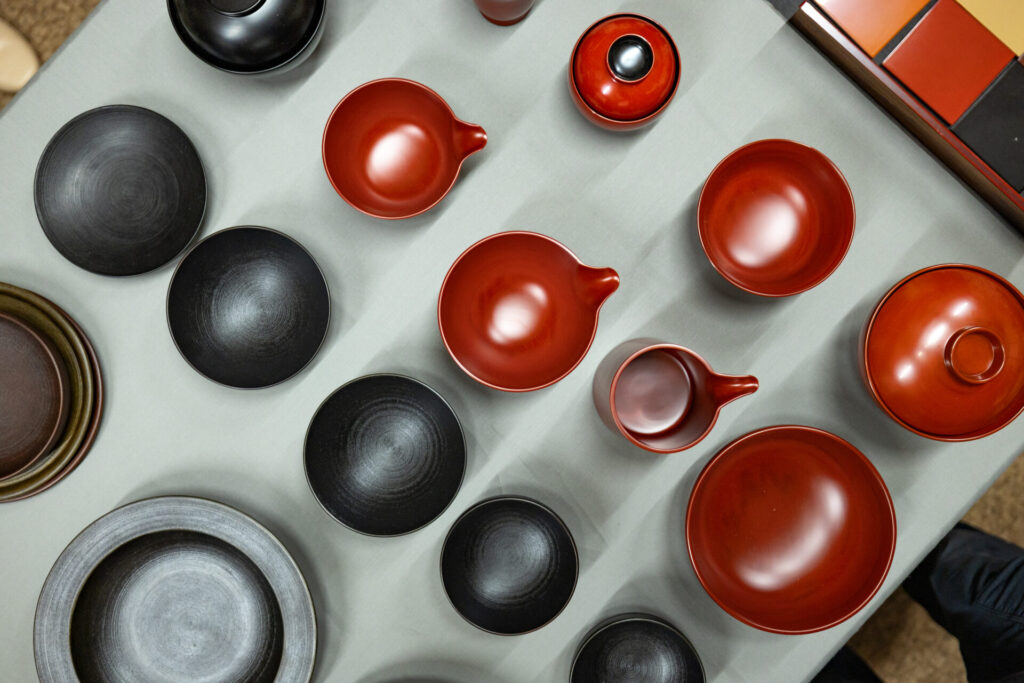
The products of Wajima Kirimoto go beyond serving merely as tableware; they possess the power to deeply influence the lives and hearts of those who use them. Junko shared several memorable stories about the connections that have been born through lacquerware.
“One story is about an elderly man who had completely lost his appetite and was barely eating,” she recalls. “After he started using one of our spoons, he said, ‘I want to use this spoon, so I’ll eat some rice porridge.’ From that point on, he gradually began eating again.”
Another episode left a strong impression on her. “There was someone who simply couldn’t eat hospital meals. But when the same food was transferred into one of our bowls, they were able to eat it. It was the exact same meal, yet just changing the dish made them reach for it. I was truly amazed.”
As a result, the person regained strength through meals served in lacquerware and recovered enough to undergo surgery. After successfully completing the procedure, they later reported, “I’ve regained my health to the point where I can now enjoy traveling with my mother.”
“The power of lacquerware is not simply about enriching everyday life. It can make eating enjoyable again—and sometimes it can even help save a life. When I hear stories like these, I truly feel that it was worth continuing this work.” Through these experiences, Junko has once again come to appreciate the deeper meaning of craftsmanship.
Future Challenges and Succession
“Passing the craft on to the next generation is important, of course. But if the entire Wajima-lacquerware production region cannot survive, it will lose its meaning. The real challenge is how to create a structure that supports the whole community. I continue to explore this question while exchanging ideas with my sons.”
The importance of working toward the future of the entire production region has become even more apparent in the wake of the earthquake. Many Wajima-lacquerware workshops suffered damage, and numerous businesses now face difficulties in continuing their operations. In such circumstances, she feels it is essential for the region to work together and seek a collective path toward recovery.
“Wajima-lacquerware has the potential to be known by many more people as tableware for everyday use. To share its appeal with younger generations and with people overseas, I believe it is crucial to communicate the strengths of our region to the world.”
Junko also believes that strengthening connections with younger members of the local community and with new visitors is vital. Although it is currently difficult to hold hands-on programs, there are plans in the conceptual stage for small-group dining experiences using lacquerware, as well as workshops where participants can casually experience how easy it is to incorporate lacquerware into daily life. She hopes that such initiatives will contribute both to tourism promotion and to the revitalization of the region.
What Do You Hope to Pass On to the Future?
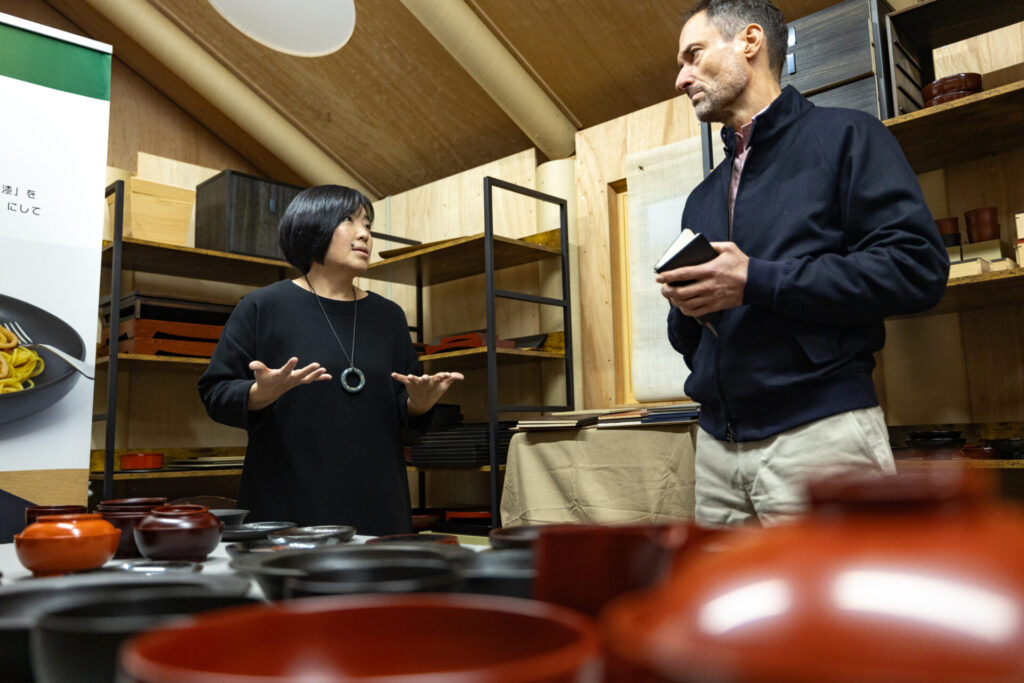
Finally, Junko shares her vision:
“With the power of Wajima lacquerware, we want to make even one more person feel comfortable and enriched. I believe that such intentions will eventually contribute to making our country—and even the world—a better place. That is the driving force behind our craftsmanship.”
Her words convey not only the making of vessels, but a deep love for Wajima lacquerware and a strong sense of conviction. Wajima lacquerware has the power to enrich people’s hearts in their daily lives, bringing comfort, healing, and a sense of calm. It is more than a tool; it is like a bridge that connects people to one another, and even links communities and culture.
“After experiencing the earthquake, I realized how profoundly tableware can support people. It can become a catalyst for restoring someone’s strength, or an opportunity for a community to reflect on itself anew. That, I believe, is the true potential of Wajima lacquerware.”
Wajima Kirimoto will continue to move forward step by step, believing in that potential. By honoring tradition while proposing new values suited to changing times, their ongoing challenge will undoubtedly further expand the power that Wajima lacquerware holds.