

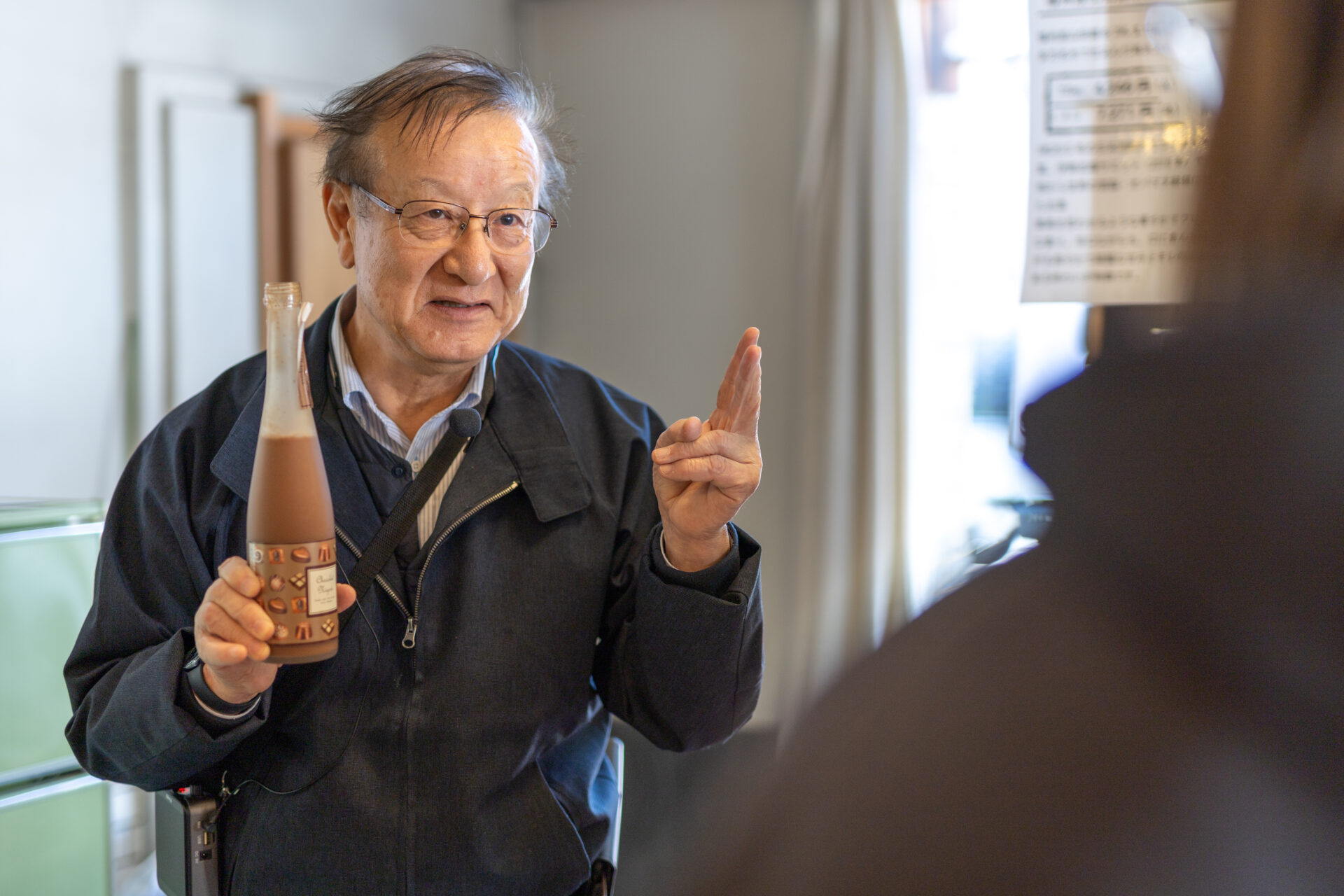
The Pride of Kitakata Merchants — Storehouses and Brewing Culture Passing the Baton to the Future
冠木紳一郎
Shinichiro Kabuki

Aizu [Fukushima]
Shinichiro Kabuki
Born in Kitakata City, Fukushima Prefecture. The 12th-generation head of Wakaki Shoten, a soy sauce and miso brewery that has operated since the Edo period. Former chairman of the Kitakata Tourism and Products Association.
Kabuki continues to preserve natural fermentation using wooden barrels and produces soy sauce and miso using locally sourced ingredients. Through preserving historic storehouses and welcoming visitors, he also works to pass on Kitakata’s storehouse culture and merchant traditions to future generations.
Kitakata City, located in the northern part of the Aizu region, is known across Japan as a “town of storehouses.”
At the heart of the city stands Wakaki Shoten, a long-established soy sauce and miso brewery that has continued its history since the Edo period.
Shinichiro Kabuki, the 12th-generation head of the family business, continues to preserve traditional natural fermentation using wooden barrels. At the same time, he opens the storehouses to the public, sharing the merchant culture and everyday life that have long thrived in Kitakata.
The story of this town—where storehouses were built, businesses carried on, and important decisions made in response to changing times—mirrors the history of Wakaki Shoten itself.
What have the merchants of Kitakata protected, and what do they hope to pass on to the future? We spoke with Kabuki to learn more.
The Storehouses of Everyday Life — A Symbol of Kitakata’s Spirit
Walking through the town, one sees storehouses covered in white and black plaster scattered throughout the everyday streetscape.
With a population of around 40,000 and more than 4,000 storehouses, Kitakata is one of Japan’s most remarkable “towns of storehouses.” Many of these kura were built after a devastating fire in the Meiji period, intended to protect property from fires, wind, and snow. Over time, they became deeply woven into people’s lives and the culture of the region itself.
Kabuki, who has long been involved in promoting tourism in Kitakata, explains:
“There was once a time when a man’s ambition was to own a storehouse. Only then would he be recognized as a full-fledged adult.
For people in Kitakata, storehouses are both a symbol of the heart and something as natural and ever-present as the air around us.”
In the past, a local saying went:
“First take a wife,
Second have grandchildren,
Third build a treasured storehouse.”
Finding a good partner, securing an heir, and building a storehouse as the symbol of the household—if these were accomplished, a man’s life was considered successful.
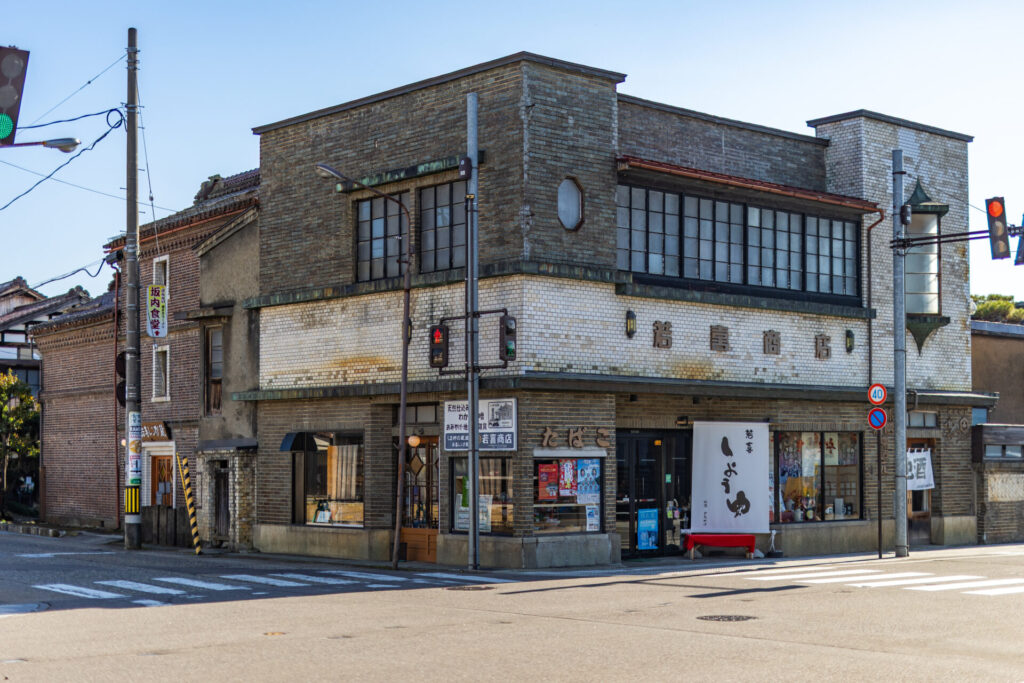
In the Retro Yokocho shopping street, a key tourist area of Kitakata, stands a striking brick storehouse. This is Wakaki Shoten, a long-established shop that has produced soy sauce and miso for generations. Kabuki is its 12th-generation proprietor.
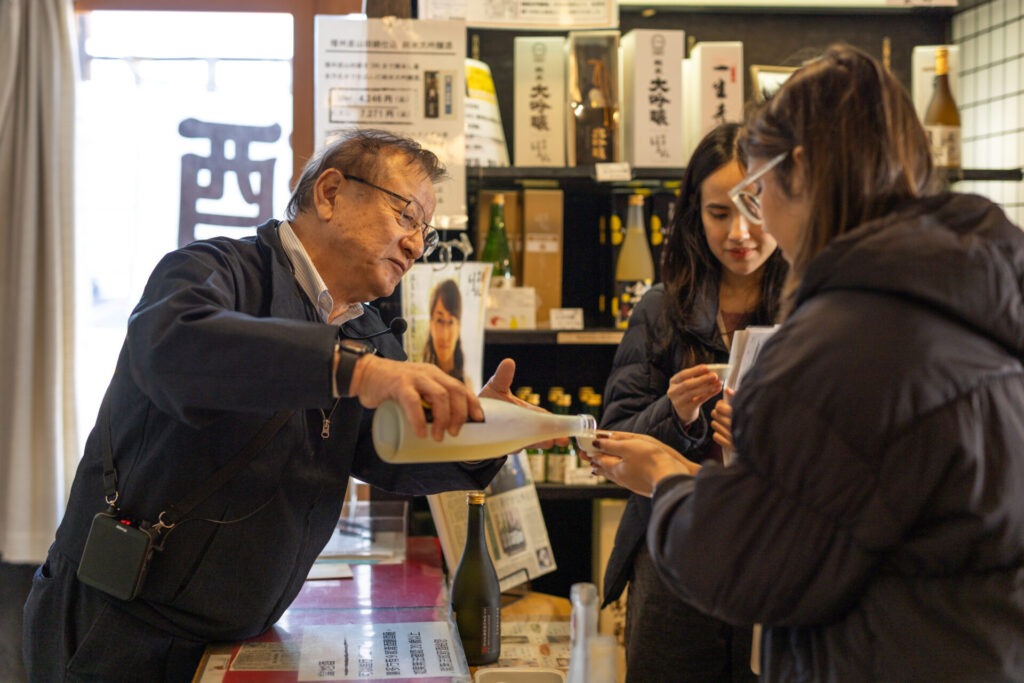
What the brewery has protected is natural fermentation prepared in the cold winter months. Using wooden barrels—now rare across Japan—the soy sauce and miso are fermented slowly for about two years.
The result is rich in aroma and flavor, cherished as a taste of the hometown.
Following the Buddhist concept of “shindo fuji”—the idea that eating foods grown in the same land where one lives brings harmony to body and mind—only locally grown soybeans and wheat are used as ingredients.
To avoid interfering with the natural fermentation of the microorganisms living within the storehouses, no preservatives or additives are used.
“Good soy sauce and miso can only be made when you have good water. Because of that, Kitakata has long been a place where brewing and fermentation culture flourished.
Even today, the town has nine sake breweries and six soy sauce and miso breweries.”
Brewing Culture Shaped by Water, Storehouses, and the Flow of People
Kitakata lies north of the Aizu Basin, a relatively mild area in the Tohoku region with few natural disasters such as floods or storms.
What has supported people’s lives and industries here is abundant water. The source lies in the surrounding mountains, including the Iide Mountain Range. Snow that accumulates in winter seeps deep underground and emerges as groundwater that nourishes the entire region.
This water creates an ideal environment for brewing soy sauce, miso, and sake.
Another essential element in the development of brewing culture was the storehouse itself.
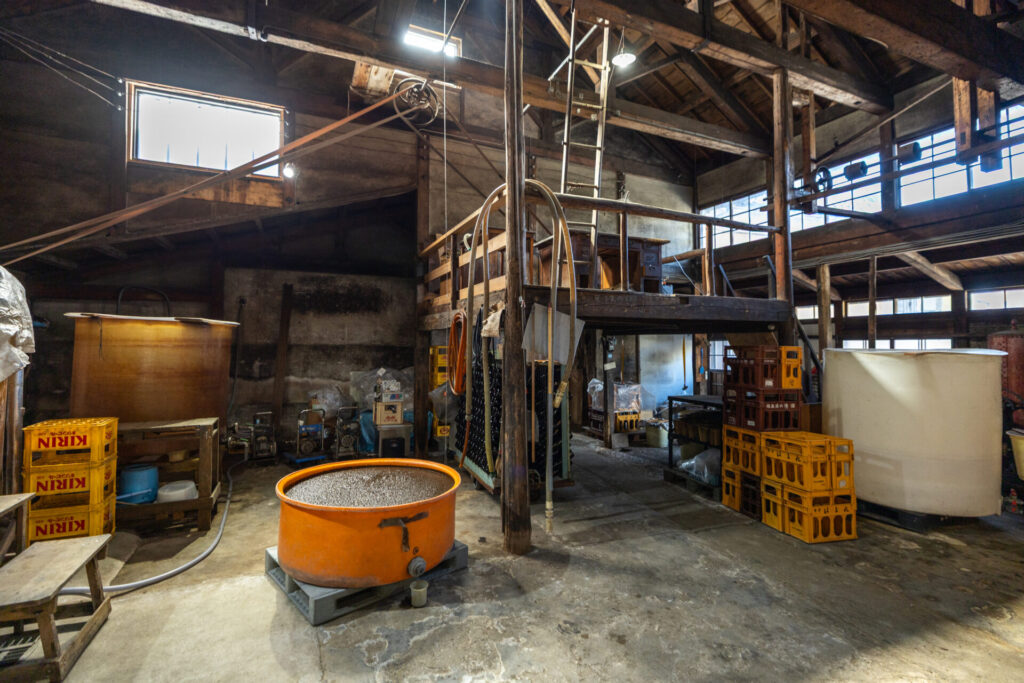
“Originally, storehouses were built to protect property. But they turned out to be ideal for brewing as well.
They soften the heat of summer and the cold of winter, allowing fermentation to proceed slowly. The storehouse was both a place of daily life and a place of craftsmanship.”
Human movement also played a vital role.
Aizu-Wakamatsu, the central city of the region, historically functioned as its political and cultural center. Kitakata, located to the north, developed as a hub of commerce and transportation supporting the castle town.
Kitakata also had strong geographical connections with Niigata. Through these routes, goods and people flowed in, bringing with them techniques of brewing and fermentation. Many sake brewers known as toji were invited from Niigata.
However, the Boshin War changed everything.
“When the Aizu domain lost the war, the culture that had been built in our hometown was once disrupted. Samurai disappeared from Aizu-Wakamatsu, and merchants lost confidence.
At that moment, it was the merchants of Kitakata who stood up. They believed it was now their role to lead the entire Aizu region forward.”
One symbolic example was the effort to attract a railway.
In 1904, plans emerged to extend the railway line that had reached Aizu-Wakamatsu. It was the merchants of Kitakata who worked together to bring the railway to their town, pooling their resources and successfully lobbying for its construction.
With the railway’s arrival, the flow of people and goods changed dramatically. Products such as soy sauce and sake could now be transported to distant places, and Kitakata’s presence as a commercial hub in Aizu grew stronger.
Merchants also invested in industrial development, including hydroelectric power plants and silk factories.
They carefully considered what the town needed and acted upon it. These efforts laid the foundation for present-day Kitakata.
The Spirit of Kitakata Merchants — Embracing Change While Looking to the Future
Looking back at the merchant culture of Kitakata, one consistent trait stands out: the determination to discover new forms of business suited to changing times while protecting the town itself.
Building storehouses, running breweries, attracting the railway, and developing industry—none of these decisions were made for short-term profit. They were choices made with the future in mind.
The history of Wakaki Shoten reflects the same spirit.
“In the Edo period, soy sauce was made from crops grown on our own land. But as time passed, that foundation changed dramatically.
After World War II, land reforms caused us to lose much of our farmland, and it became difficult to continue the business as before.”
The family chose a new path—becoming a beer wholesaler.
During Japan’s period of rapid economic growth, when refrigerators became common in households and beer consumption expanded, this decision became a major pillar supporting the business.
“Later, however, intense price competition made the business difficult. That’s when we decided to withdraw from the beer wholesale trade and return our focus entirely to brewing soy sauce and miso.”
Choosing to withdraw was not easy. Yet the merchants of Kitakata, including Wakaki Shoten, have repeatedly made difficult decisions throughout history.
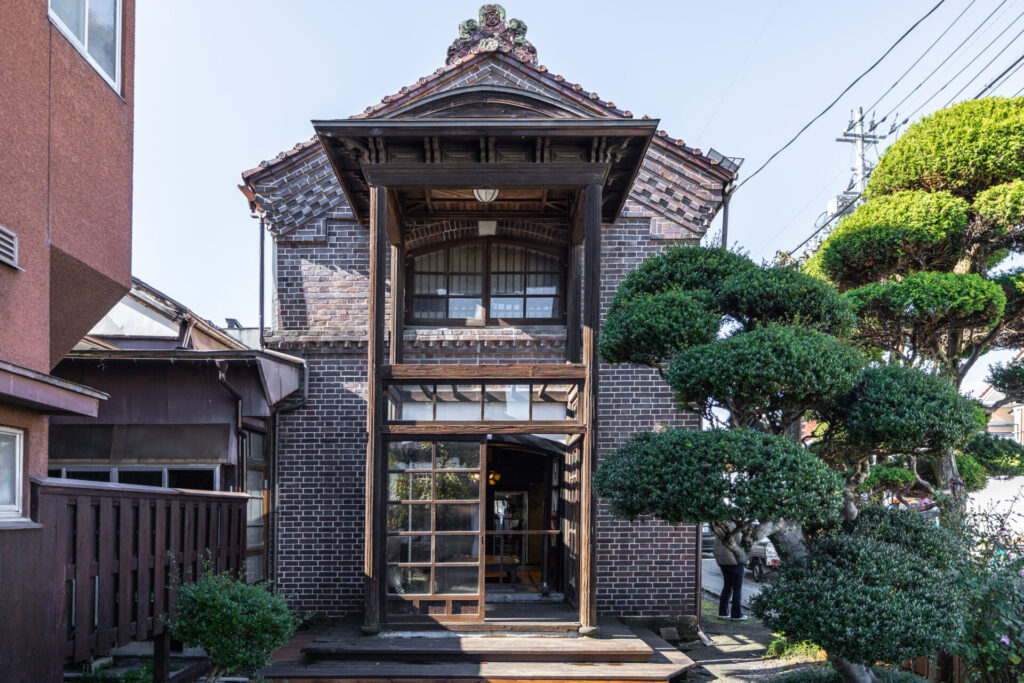
The buildings of Wakaki Shoten themselves reflect this legacy. Eight storehouses remain on the property, two of which are brick storehouses built in 1904.
These were constructed using brick produced in Kitakata during the railway construction era, applying techniques originally developed for roof tiles.
Because the bricks are supported by a wooden framework, the structure is highly earthquake-resistant. Even during the Great East Japan Earthquake, the storehouses suffered little damage.
Another storehouse used as a guest reception space features luxurious materials such as black persimmon wood and zelkova, conveying the pride of merchant households and the cultural heritage of earlier generations.
The exhibition room displays traditional dolls, samurai armor, and ceremonial banners according to the seasons, welcoming visitors from Japan and abroad.
“Of course, maintaining storehouses costs money and requires determination. But leaving these buildings—registered as national tangible cultural properties—to the next generation is also a source of personal support for me.
And since they’ve survived this long, I can’t simply walk away. Perhaps it’s the patient and earnest character often associated with people of Aizu.”
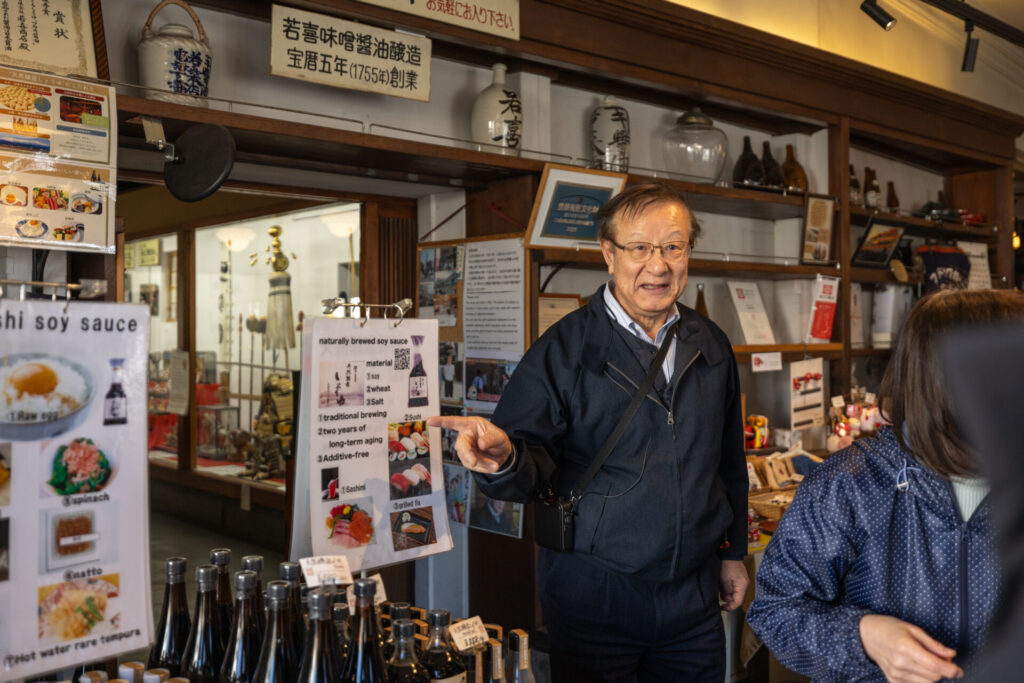
Behind Kabuki’s gentle smile is the warmth and sincerity of a Kitakata merchant.
No matter the hardship, calmly assessing the situation and choosing the right path—this mindset has created the deep layers of history that define the town today.
What Do You Wish to Pass On to the Future?
When asked what he hopes to pass on to the future, Kabuki answers without hesitation.
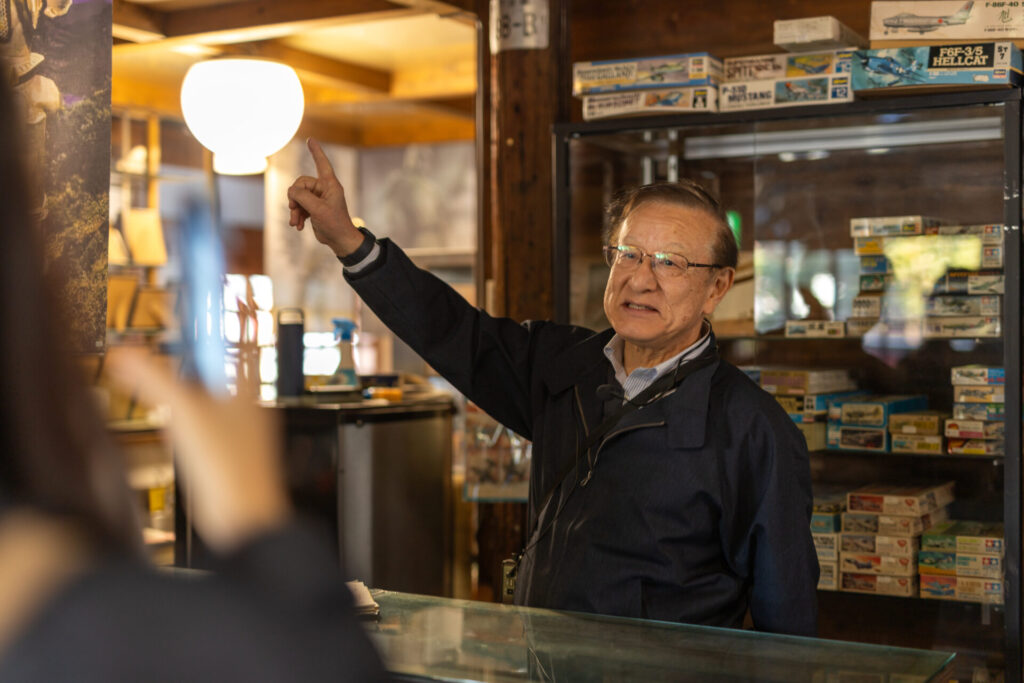
“Above all, I would say the sense of pride held by the people who live in Kitakata—pride in their town and in living meaningful lives together.”
Unlike large cities filled with convenience and stimulation, Kitakata offers a lifestyle rooted in nature and craftsmanship.
Even as merchants adapt their businesses to changing times, they never lose sight of their fundamental principles. That accumulation of values is what gives the people of this town their pride.
“In recent years, we’ve also been welcoming more visitors from overseas. I hope that by experiencing Kitakata’s nature, culture, and merchant spirit, they can refine their own sensibilities and broaden their perspectives.
And of course, we now have Kitakata ramen, a new culinary culture born in this town. Visitors can enjoy a bowl of ramen and then stroll around the storehouses afterward. That’s another wonderful way to experience Kitakata.”
Protecting the storehouses, preserving culture, and continuing the business—at the heart of these efforts lies the determination to make decisions that shape the future.
In Kabuki’s expression, one can see both a quiet hope and an unwavering resolve to pass on the baton of history inherited from past generations to those who will come next.